← Back to Rap Culture
SHANG MA / RESEARCH
Localizing Hip Hop through Language, Masculinity, and Authenticity:
A Case Study of Chinese Rapper GAI
Shang Ma
Jinzhong Boya Peiwen Experimental School, Jinzhong, China
Abstract
This paper examines how Chinese rap adapts a musical culture rooted in African American experience through a case study of GAI. It combines close readings of “Kong Cheng Ji,” “Weiyuan Gushi,” and C-BLOCK and GAI’s “Jianghu Liu” with visual analysis and an exploratory reading of selected online audience responses. The analysis identifies three connected processes. Regional speech and autobiographical narration make locality audible; music videos frame masculine authority through hardship, status, and brotherhood; and online commentary subjects these performances to competing judgments of authenticity. The paper argues that localization changes the cultural grounds on which “realness” becomes persuasive without removing hip-hop’s transnational connections. By connecting language, visual performance, and reception, the study shows how local belonging becomes a basis for participation in global hip-hop. GAI’s case illustrates a process in which artists give familiar cultural resources new expressive uses and audiences help establish their significance.
Keywords: Chinese Hip-hop; Hip-hop; GAI; Cultural Studies; Gender Studies; Performance Studies; Pop Culture; Pop Music; Localization; Regional Identity; Masculinity; Authenticity
Introduction
Hip-hop’s international circulation raises a question about cultural identity: how can performers participate in a genre rooted in African American experience while speaking convincingly about their own surroundings? Rap’s historical relationship with Black urban life matters because its language, musical practices, and claims to credibility did not emerge independently of social conditions. Rose’s Black Noise emphasizes the complexity of these relationships and the diversity of rap’s political and gendered voices [1]. Chinese rap therefore needs to be understood through both its transnational inheritance and the particular settings in which artists reinterpret it.
This paper examines these processes through GAI, focusing on “Kong Cheng Ji,” “Weiyuan Gushi,” and the collaborative “Jianghu Liu.” It asks how regional language establishes belonging, how visual narratives represent masculine credibility, and how online viewers accept or challenge those claims. A comparison with 2Pac’s “Run Tha Streetz” situates these performances within hip-hop’s broader concern with experience, belonging, and personal authority. The argument is that GAI’s localization of hip-hop connects autobiographical credibility with regional speech and recognizable narratives of masculine endurance. Online audiences then interpret these performances through their own expectations of musical skill and cultural belonging. Following this movement from artistic expression to audience recognition explains how a rapper becomes locally distinctive within global hip-hop. It also connects the paper’s three dimensions: locality supplies the material of identity, performance gives that identity a public form, and reception helps establish its cultural value.
Literature Review
Research on hip-hop provides several approaches to localization. Rose’s Black Noise situates rap within Black cultural production and examines its musical, political, and sexual complexity [1]. Her work provides a historical foundation for understanding how rap links artistic expression with social experience. In Global Linguistic Flows, Alim, Ibrahim, and Pennycook bring together studies of how hip-hop participants adapt language and identity across settings [2].
Authenticity scholarship further shifts attention from whether a performance is objectively “real” to how credibility is claimed and evaluated. McLeod examines authenticity discourse as a means of maintaining cultural boundaries under pressures of assimilation [3]. For Chinese rap, Zhao and Lin analyze “jianghu flow” through lyrics and audience interviews, connecting authenticity to loyalty, struggle, and compromise [4]. Their findings show how inherited cultural narratives give hip-hop credibility a locally meaningful form.
Wang’s interviews with underground Chinese rappers develop “everyday authenticity,” emphasizing ordinary struggles and negotiations between musical ambition and other obligations [5]. Decker’s account of “tactical authenticity” further considers how artists negotiate legitimacy amid commercial and institutional pressures [6]. These studies explain authenticity through artists’ accounts of their working lives and choices.
Gender scholarship supplies a complementary lens. Louie’s Theorising Chinese Masculinity examines the cultural organization of masculine ideals through wen and wu, broadly associated with cultural attainment and martial valor [7]. Chen, Tong, and Zhang connect brotherhood in Chinese hip-hop to solidarity, competition, and commercial tensions [8]. Together, these approaches connect masculine authority to the cultural ideals and social relationships through which it is recognized.
These strands of research leave room for a closer account of how language, visual narrative, and reception work together within a single artistic case. This paper develops that connection through GAI, tracing how regional expression becomes a recognizable public identity and how audiences evaluate the authenticity it conveys.
Methods and Corpus
The study uses a qualitative case-study approach. Its musical corpus comprises GAI’s “Kong Cheng Ji” (“Empty City Strategy,” 2016) [9], “Weiyuan Gushi” (“Weiyuan Story,” 2022) [10], and C-BLOCK and GAI’s “Jianghu Liu” (“The Flow of Jianghu,” official video uploaded in 2017) [11]. These selections foreground different resources for localization: literary allusion, autobiographical place-making, and collective brotherhood. The supplementary American comparison is 2Pac’s “Run Tha Streetz,” featuring Storm, Mutah, and Michel’le, from All Eyez on Me (1996) [12].
The reading considers regional vocabulary, narrative perspective, vocal delivery, and cultural references. Visual interpretation focuses on the music-video material and three retained stills, distinguishing observable composition from inferred meanings. The analysis asks how settings, clothing, framing, and relationships between bodies make authority legible. Chinese expressions are accompanied by interpretive English translations.
The reception corpus consists of three screenshot collages preserving comments, on-screen reactions, and performance clips. These materials are read for contrasting evaluations of locality, musical ability, and status.
Analysis I: Language and Locality
Regional speech gives GAI’s music an immediately recognizable sense of place. In “Kong Cheng Ji,” his Sichuan-inflected delivery connects conversational familiarity with a composed, self-assured vocal persona [9]. He shapes the flow through shifts in emphasis, changes of pace, and the space left between phrases. These choices allow regional pronunciation to become part of the song’s musical character. The voice carries the social associations of everyday speech into a stylized performance, making local belonging audible within the rhythmic conventions of rap.
The song’s operatic inflections extend this connection between sound and cultural identity. Alongside the regional accent, they evoke a performance tradition familiar to Chinese listeners. The title’s reference to the Empty City Strategy gives the speaker’s composure a further significance: calmness becomes a sign of strategic confidence. Read through this allusion, the unhurried delivery suggests someone who remains in control under pressure. The combination translates rap’s assertion of personal authority into a culturally recognizable image of self-possession, linking vocal technique with the character the song constructs.
The expression “Xian Yun Ye He,” rendered here as “idle clouds and wild cranes,” develops this persona through literary imagery. The idiom evokes freedom from ordinary constraints and a position at some distance from everyday competition. Delivered in GAI’s regional voice, this widely shared literary expression acquires a particular speaker and social setting. Its appeal comes from that meeting of registers: classical imagery lends the performance cultural resonance, while the accent gives it an immediate, conversational presence. The speaker sounds both rooted in a place and capable of imagining himself beyond its restrictions.
“Weiyuan Gushi” develops locality through autobiographical narration [10]. The hometown named in its title gathers childhood, limited resources, friendship, and adult responsibility into a shared setting. Remembered details make the place emotionally significant, allowing the listener to understand the present speaker through the world he recalls. The directness of the storytelling resembles the effect of baimiao, or plain description: ordinary words and concrete situations carry the narrative’s emotional weight. This plain style gives the account an intimate quality, as though the narrator were speaking to people who recognize the circumstances he describes.
The passage contrasting books and films with the excitement of his own life makes experience itself a source of narrative authority. Weiyuan becomes the place where the speaker acquired the knowledge on which his music draws. Hardship also gives the movement from childhood to adulthood a direction. Questions about supporting parents shift attention toward responsibility, showing how success is measured through the ability to provide for others. The hometown consequently remains part of the adult identity: it supplies both the memories that explain his ambition and the relationships that give achievement its purpose.
This use of place connects GAI’s work with hip-hop’s wider practice of grounding credibility in lived surroundings [2]. Regional speech invites recognition from listeners familiar with its sounds, while stories of ambition and obligation make that experience accessible to a broader audience. The movement between these audiences helps explain the value of localization. A distinctive voice gives the music a specific origin, and a coherent personal narrative enables listeners elsewhere to follow its emotional logic.
Across the two songs, locality takes shape through complementary forms of expression. “Kong Cheng Ji” joins regional delivery to literary and operatic references; “Weiyuan Gushi” builds belonging through memory and everyday speech. Together, they establish a voice whose authority rests on a recognizable relationship with culture and place. That voice also prepares the visual construction of GAI’s persona, where the endurance and confidence expressed in the music become visible through bodies, settings, and social relationships.
Analysis II: Masculinity and Visual Performance
GAI’s music videos give visual form to the relationship between experience and authority established in the songs. In “Weiyuan Gushi,” present achievement is connected to remembered struggle [10]. Looking back makes the earlier life emotionally present, so that success appears as the result of a difficult journey. The resulting persona combines resilience with vulnerability: the viewer encounters someone whose strength acquires meaning through the pressures he has faced. Masculine credibility develops through this connection between the capacity to endure and the ability to achieve recognition.
The phone-booth still concentrates that relationship in a single composition (Figure 1). The camera looks upward at GAI, emphasizing his bodily presence. His raised arm and open mouth convey intensity, while the narrow booth encloses him within a restricted space. These features work together to create an image of defiance under pressure. The body appears forceful precisely because the surrounding structure leaves it little room. The low angle gives that response visual prominence, turning a confined everyday setting into a stage for the assertion of determination.
The dining scene develops the narrative through a different presentation of authority (Figure 2). Formal clothing, candles, glassware, and the arrangement of men around a table make social position visible. GAI’s still posture conveys composure, contrasting with the physical intensity of the phone-booth image. Read together, the scenes connect the energy of struggle with the confidence of arrival. Material comfort becomes a visible sign of advancement, and the presence of companions places that achievement within a social world. The performer’s authority is expressed through both his bearing and his position among others.
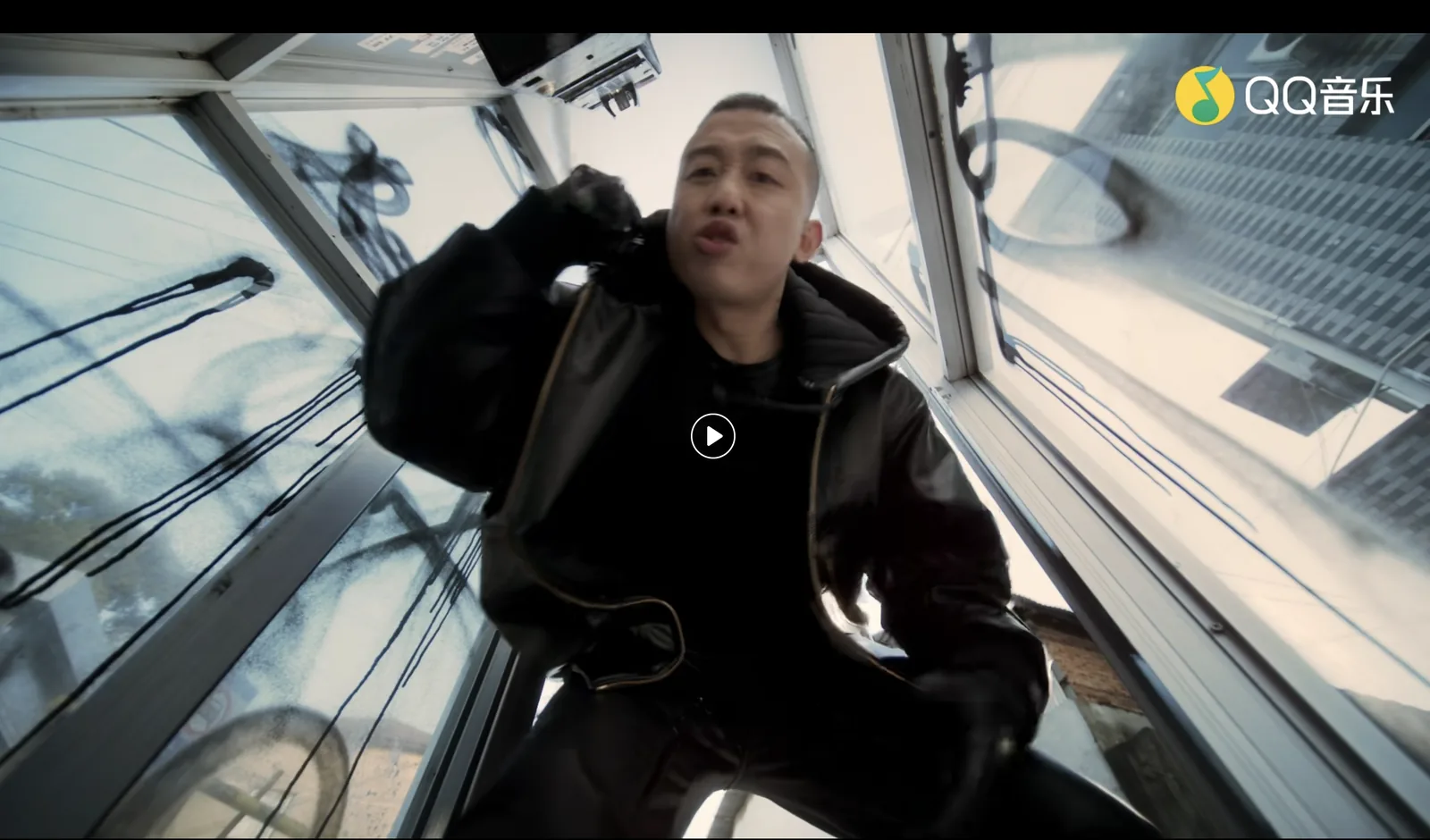
Figure 1. Low-angle phone-booth shot in “Weiyuan Gushi” [10]. The enclosed setting and forceful gesture support the discussion of pressure and defiance.
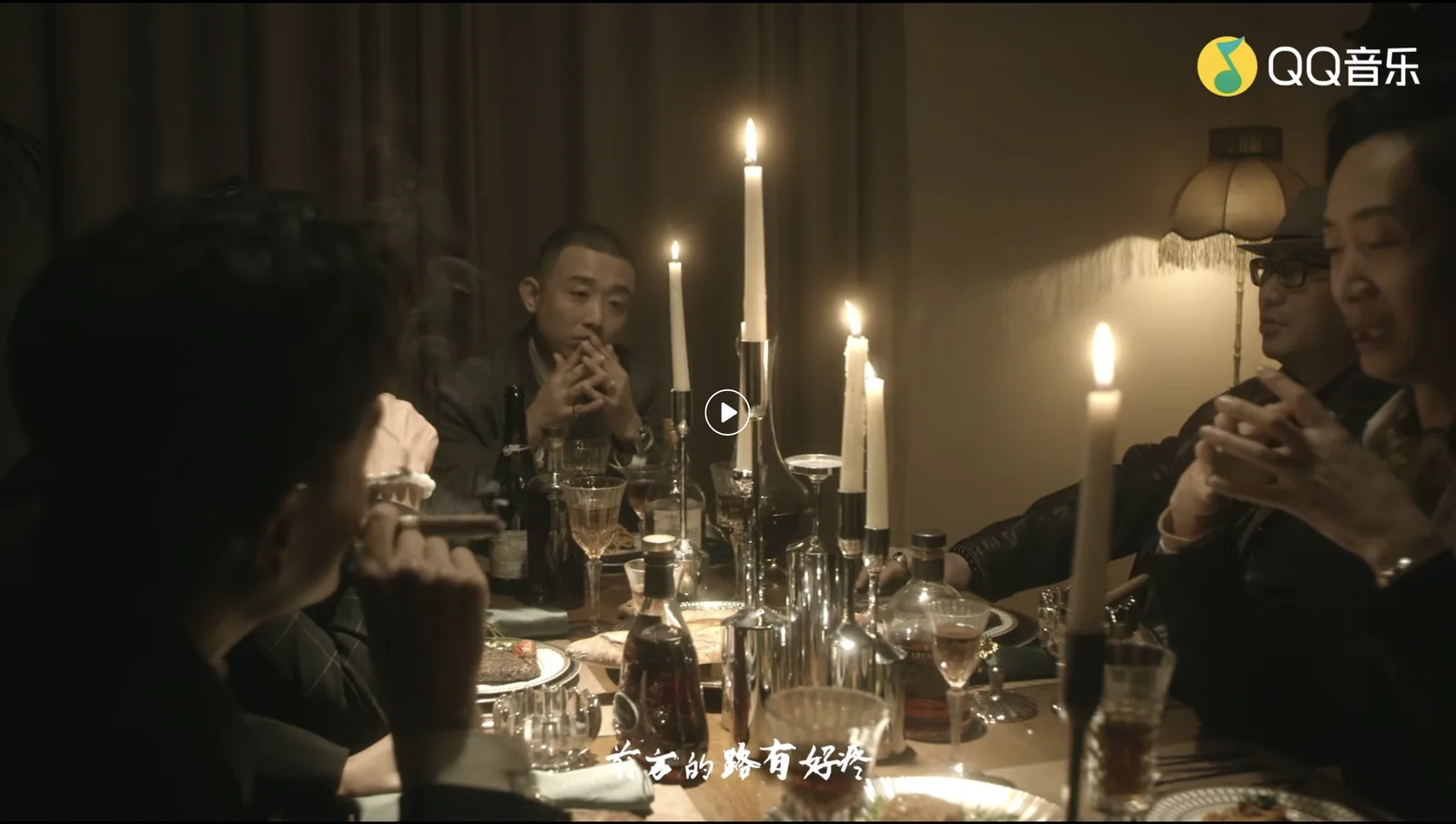
Figure 2. Dining scene in “Weiyuan Gushi” [10]. Clothing, posture, and table settings make social status visible.
“Jianghu Liu” gives this collective dimension a more explicitly cultural form [11]. In Figure 3, an overhead view gathers hands and drinking bowls around a shared table. Similar objects and converging gestures create a sense of coordinated participation. The scene presents brotherhood through a common action, making solidarity visible as something enacted together. Its association with jianghu, a cultural imaginary of itinerant lives, martial stories, loyalty, and informal rules, gives the gathering a familiar narrative background. The shared drink suggests an affiliation grounded in mutual recognition and obligation.

Figure 3. Shared drinking bowls in “Jianghu Liu” by C-BLOCK and GAI [11]. The overhead composition emphasizes collective participation.
The collaboration between C-BLOCK and GAI reinforces this imagery. Several performers participate in the work, so the musical arrangement itself gives expression to the collective belonging represented on screen. Brotherhood becomes a source of strength through which individual ambition acquires support and a social purpose. Chen, Tong, and Zhang’s research links this ideal to the importance of solidarity within Chinese hip-hop [8]. In the present reading, the shared table condenses that ideal into a visual relationship: each participant belongs through taking part in the same gesture.
Louie’s account of masculine ideals offers a framework for understanding the combination of controlled self-presentation and toughness [7]. Cultural attainment and martial valor, associated with wen and wu, make different forms of authority available for recognition. GAI’s visual persona draws its force from a comparable combination of composure, determination, and social obligation. The confidence heard in his delivery is thus extended into a public image of a man who can withstand hardship and maintain his place among companions.
Analysis III: Digital Authenticity
The connection between place and persona becomes a question of recognition when GAI’s performances circulate online. Viewers respond to the regional voice, the image of success, and the force of the performance, giving these features a place within wider discussions of Chinese rap. The screenshot collages below preserve several ways of making such judgments. Comments appear alongside performance clips and reaction videos, bringing the artist’s self-presentation into contact with the language through which audiences describe musical credibility.
Figure 4 includes praise for GAI’s standing in Chinese rap and enthusiastic responses to his live performances. These reactions connect credibility with the ability to command a stage and produce a shared sense of excitement. They extend the autobiographical basis of authenticity examined earlier: remembered hardship gives the persona a story, while performance gives listeners an immediate experience of its expressive power. Admiration for the live show therefore helps turn a claim about personal identity into a publicly recognized artistic achievement.
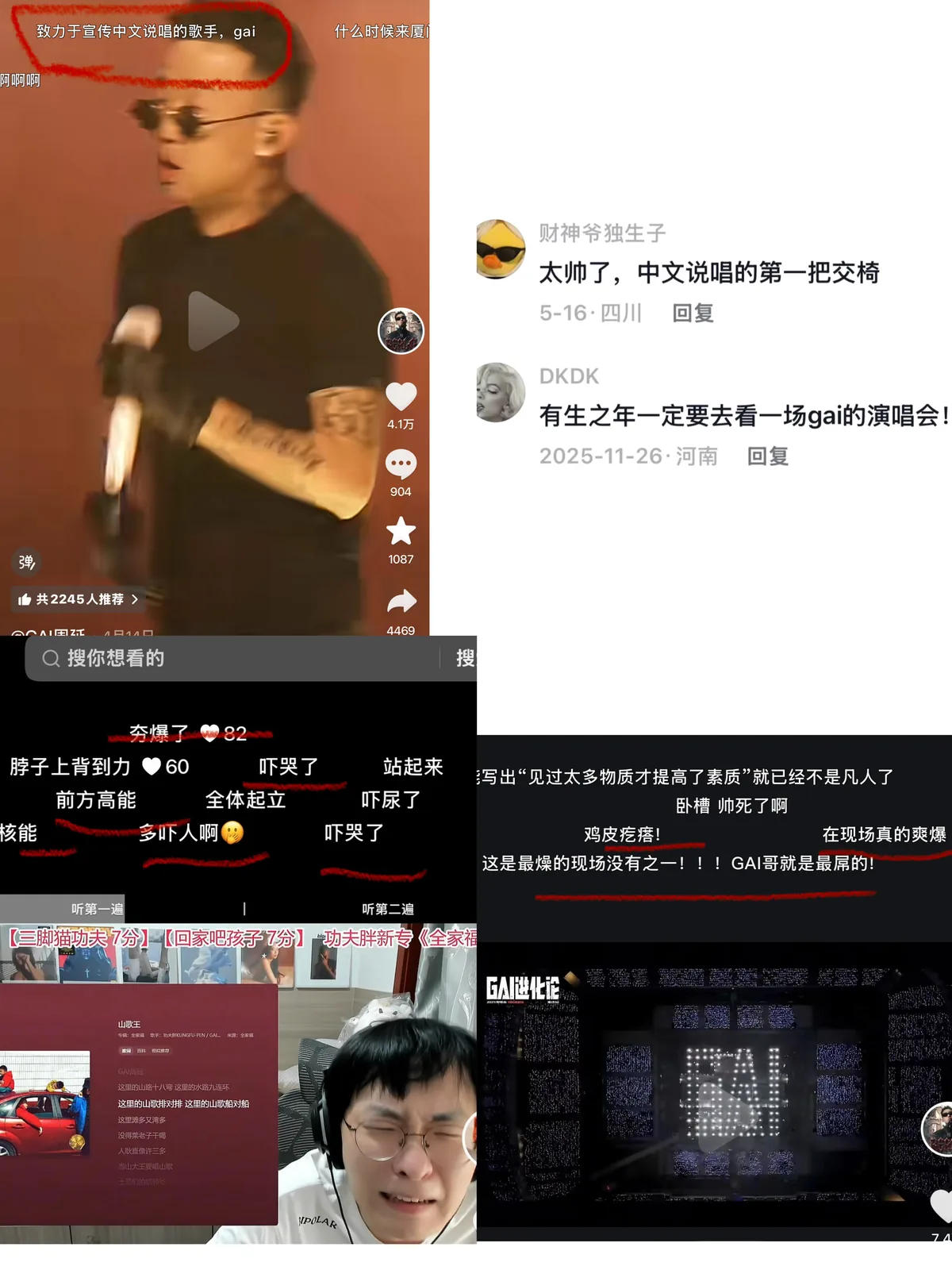
Figure 4. Praise for GAI and reactions to live performance.
The label “Shan Ge Wang,” translated as “king of mountain songs,” brings regional style directly into this process. In Figure 6, the label appears near celebratory judgments and references to dialect mastery. Used in this setting, it gives GAI’s distinctiveness a memorable name. The combination of “mountain songs” and “king” connects a regional musical association with prestige, allowing listeners to celebrate his style in terms drawn from its local character. Familiar sounds become a reason to recognize the performer’s authority within Chinese rap. Figure 5 shows another use of the same label, alongside dismissive responses to regional style and complaints about repetition. Here, the association with mountain songs expresses dissatisfaction with a recognizable formula.
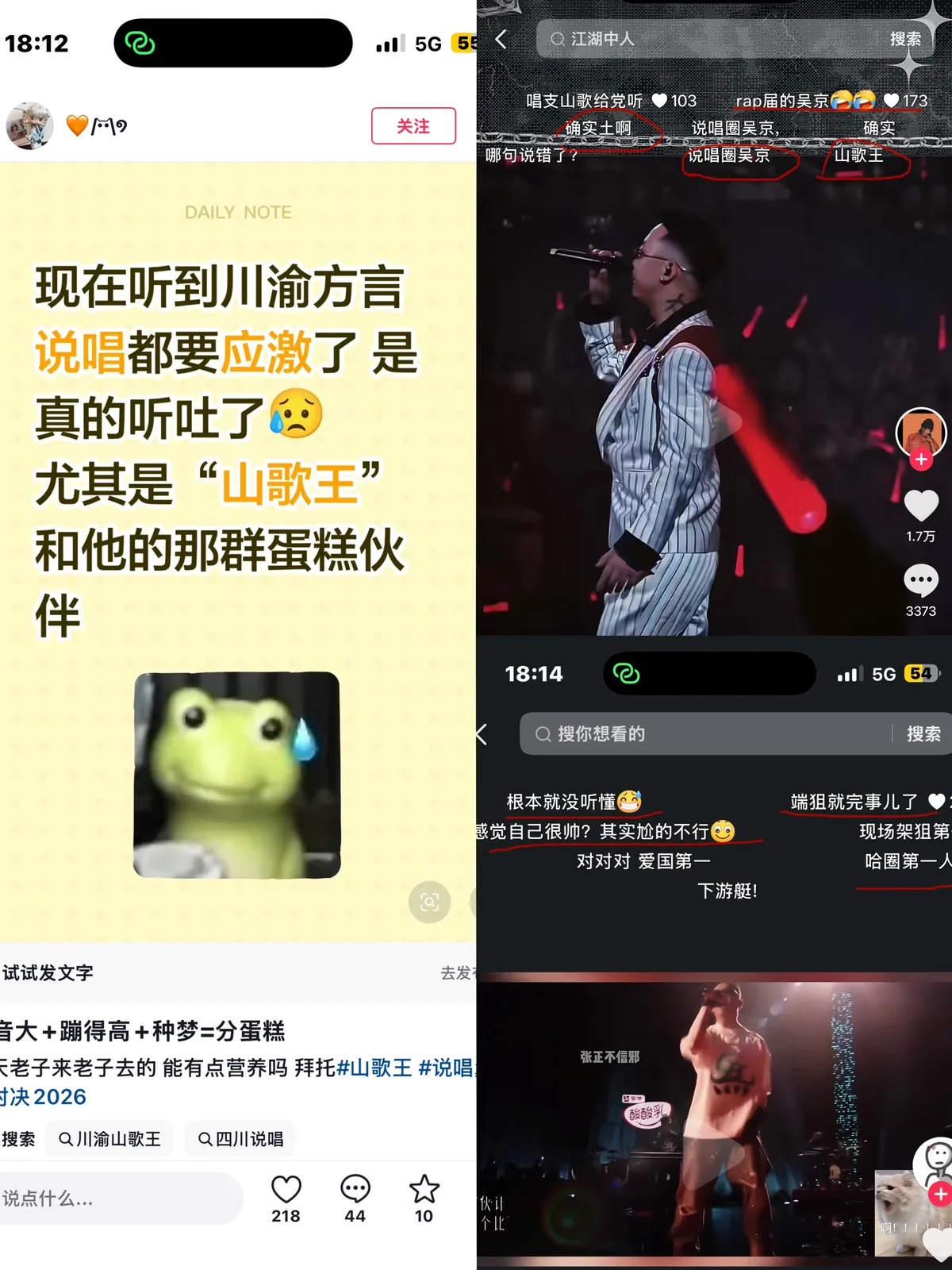
Figure 5. Critical and mocking responses to regional style.
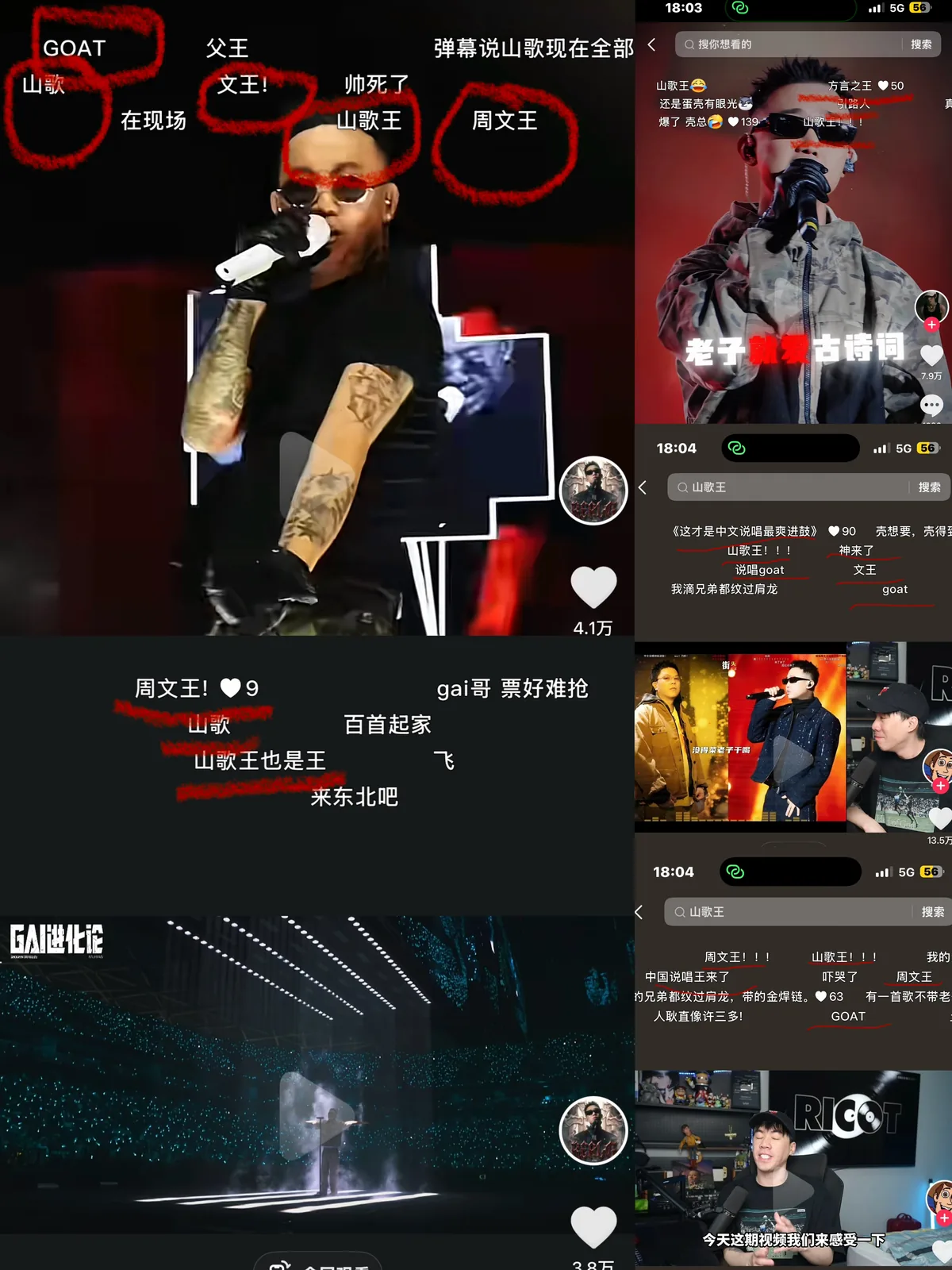
Figure 6. Celebratory uses of the mountain-song label and dialect identity.
This debate connects with the scholarship on authenticity as a negotiated cultural judgment [3,4]. Locality gives audiences shared features to recognize and discuss, while their expectations shape the value attached to those features. Commercial success adds another dimension. The rise from ordinary circumstances can strengthen the story of achievement, and a highly recognizable style can become an important part of a performer’s public appeal. Decker’s account of tactical authenticity provides a context for understanding how credibility is negotiated as artists gain wider recognition [6].
Digital circulation brings these judgments together around recurring images, labels, and performances. The audience participates in the meaning of “realness” by praising skill, identifying with regional expression, or debating artistic development. The supportive and critical responses therefore belong to the same process of cultural recognition. GAI’s identity becomes more firmly associated with a particular sound and persona as listeners repeatedly name and evaluate them. Authenticity emerges through this continuing relationship between what the artist presents and what audiences find compelling, connecting local expression with the public life of hip-hop.
Comparative Discussion
The comparison brings language, visual performance, and reception into a single account of localization. GAI’s selected works ground credibility in regional speech, hometown memory, and brotherhood. “Run Tha Streetz” locates masculine self-assertion within street-oriented autonomy and gendered relationships [12]. Across these materials, authority depends on a persuasive relationship between the performer and the world represented in the music. That shared concern takes a particular form through the experiences and cultural references each work foregrounds.
In GAI’s case, the three dimensions develop cumulatively. Regional language establishes a voice with recognizable roots. The videos give that voice a social identity through scenes of endurance, achievement, and collective belonging. Online listeners then evaluate these features as signs of artistic credibility. Their responses show how localization continues through reception, as familiar cultural expressions become terms of praise and debate.
The significance of this process lies in the connection between inheritance and reinterpretation. Hip-hop’s Black cultural history provides an essential context for understanding the genre’s relationship with experience and self-representation [1]. GAI develops that relationship through Chinese regional and cultural resources. His music demonstrates how participation in a global form can deepen the expressive value of local identity and make that identity available to wider audiences.
Conclusion
GAI’s selected works show how Chinese rap localizes hip-hop through the connected construction of voice, persona, and recognition. Audience responses extend this process by turning regional style and performance into subjects of recognition and debate. Authenticity thus develops through the relationship between lived experience as narrated in the music, the persona presented on screen, and the judgments made around it. GAI’s case demonstrates how a global musical practice gains local meaning through these relationships, while providing a means for regional experience to reach and engage a broader public.
References
[1] Rose, T. (1994). Black Noise: Rap Music and Black Culture in Contemporary America. Wesleyan University Press. https://www.weslpress.org/9780819562753/black-noise/
[2] Alim, H. S., Ibrahim, A., & Pennycook, A. (Eds.). (2009). Global Linguistic Flows: Hip Hop Cultures, Youth Identities, and the Politics of Language. Routledge. https://www.routledge.com/p/book/9780805862850
[3] McLeod, K. (1999). Authenticity within hip-hop and other cultures threatened with assimilation. Journal of Communication, 49(4), 134–150. https://doi.org/10.1111/j.1460-2466.1999.tb02821.x
[4] Zhao, Y., & Lin, Z. (2020). “Jianghu flow”: Examining cultural resonance in The Rap of China. Continuum, 34(4), 601–614. https://doi.org/10.1080/10304312.2020.1757039
[5] Wang, Y. (2024). Keeping it real in Chinese hip-hop: Everyday authenticity and coming from the street. Sociological Research Online, 29(2), 438–453. https://doi.org/10.1177/13607804231178628
[6] Decker, S. (2026). From the streets to the spotlight: Tactical authenticity in contemporary Chinese rap. Cultural Sociology, 20(3), 756–779. https://doi.org/10.1177/17499755251378204
[7] Louie, K. (2002). Theorising Chinese Masculinity: Society and Gender in China. Cambridge University Press.
[8] Chen, X., Tong, Y., & Zhang, J. (2021). Brotherhood and hip-hop: The case of Chinese hip-hop club Triple H. SAGE Open, 11(4). https://doi.org/10.1177/21582440211061532
[9] GAI. (2016). Kong Cheng Ji [空城计; Empty City Strategy] [Song]. Dream Music Group. https://music.apple.com/us/album/1823976606
[10] GAI. (2022). Weiyuan Gushi [威远故事; Weiyuan Story] [Music video]. Official artist upload, February 16. Bilibili. https://www.bilibili.com/video/BV1mS4y1C793/
[11] C-BLOCK & GAI. (2017). Jianghu Liu [江湖流; The Flow of Jianghu] [Music video]. SUP Entertainment, January 5. YouTube. https://www.youtube.com/watch?v=i7a8vwx3BPQ
[12] 2Pac (feat. Storm, Mutah, & Michel’le). (1996). Run Tha Streetz [Song]. On All Eyez on Me. Official artist audio supplied by Universal Music Group. https://www.youtube.com/watch?v=Yrsd8_dsHd8