HOME / RAP CULTURE 01 — FEATURED RESEARCH
Beyond
the beat.
How does a global sound
become a local voice?
Exploring Chinese hip-hop through language, identity and the cultural meaning of “realness”.
RESEARCH BY SHANG MA

SOUND / PLACE / IDENTITY
GAI / Artist image supplied for this project
01 / THE QUESTION
A global form.
A local sense
of belonging.
Hip-hop travels. Its meaning changes with the places, voices and experiences it encounters.
This study asks how GAI makes regional identity persuasive within a genre rooted in African American experience. It connects what listeners hear, what viewers see and how audiences respond.
CASE STUDY / QUALITATIVE CULTURAL RESEARCH
DOCUMENTARY / CHINESE HIP-HOP
A local sound.
A wider conversation.
Interviews and performance footage open a conversation about Chinese hip-hop, its cultural roots and the voices shaping it.
Watch the documentary, then explore the research below.

RAP CULTURE / A DOCUMENTARY
Beyond
the beat.
Local voices. Shared roots. A culture in motion.

WATCH FILM
CHINESE HIP-HOP
SOUND / PLACE / IDENTITY
16:06
CHINESE LOCAL RAP / DOCUMENTARY
WATCH DOCUMENTARY / 16:06
02 / RESEARCH PAPER
Localizing Hip Hop
↗
Language, Masculinity, and Authenticity:
A Case Study of Chinese Rapper GAI
Regional speech makes locality audible. Visual performance gives identity a public form. Audience responses turn authenticity into a continuing negotiation.
Chinese hip-hop / Localization / Masculinity / Authenticity
01
Voice
Language & locality
02
Persona
Masculinity & visual performance
03
Recognition
Audience & authenticity
03 / LANGUAGE & LOCALITY
Place becomes
part of the voice.
“Kong Cheng Ji”
Regional delivery, operatic inflections and literary allusion create a recognizable local persona.
“Weiyuan Gushi”
Hometown memory and everyday speech ground credibility in lived experience and responsibility.
HIP-HOP PERFORMANCE / VISUAL CONTEXT
Reference image supplied with the project
04 / MASCULINITY & VISUAL PERFORMANCE
How identity becomes visible.
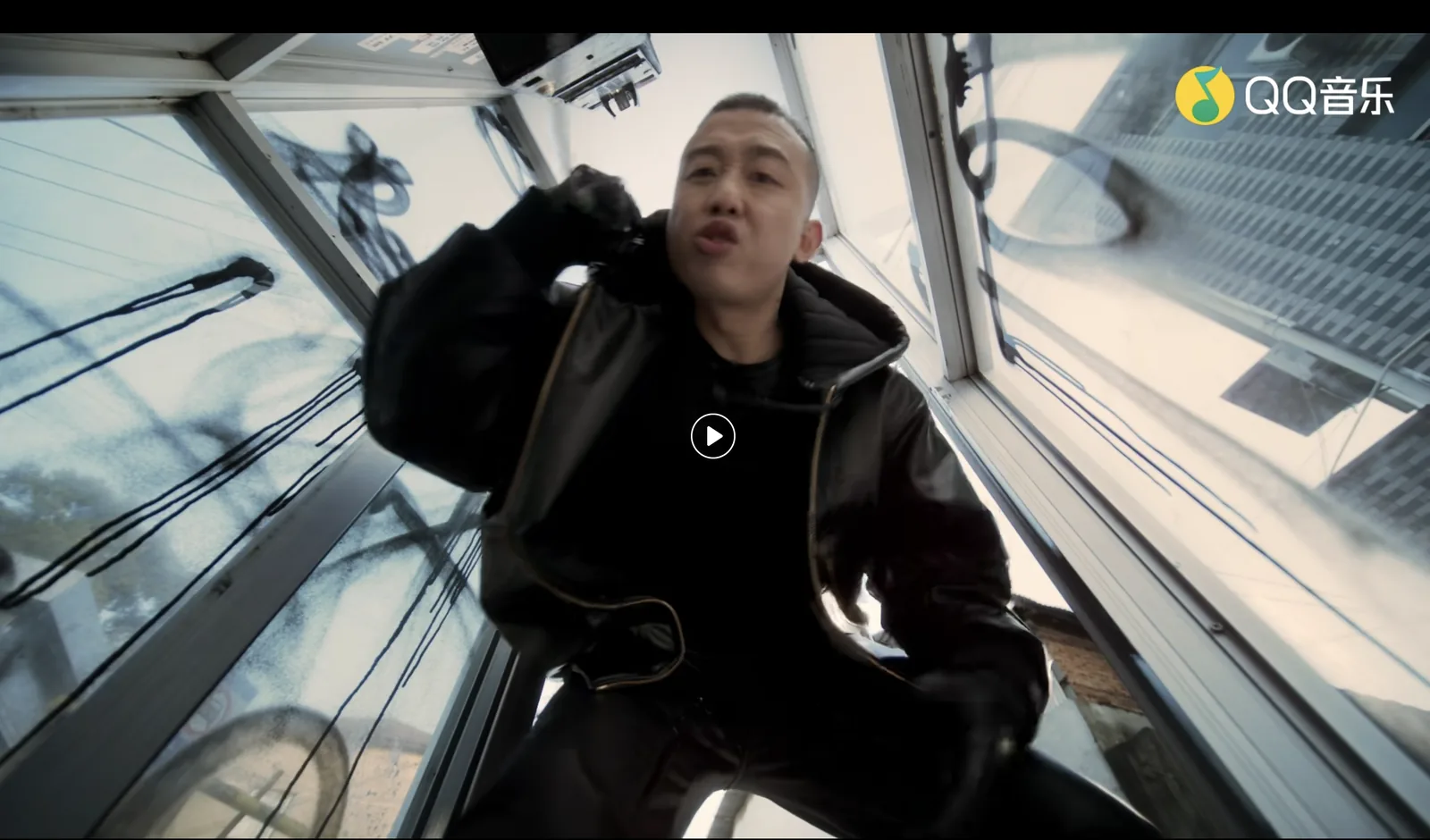
FIG. 1 / “WEIYUAN GUSHI”
Pressure
The enclosed booth and low camera angle frame determination under pressure.
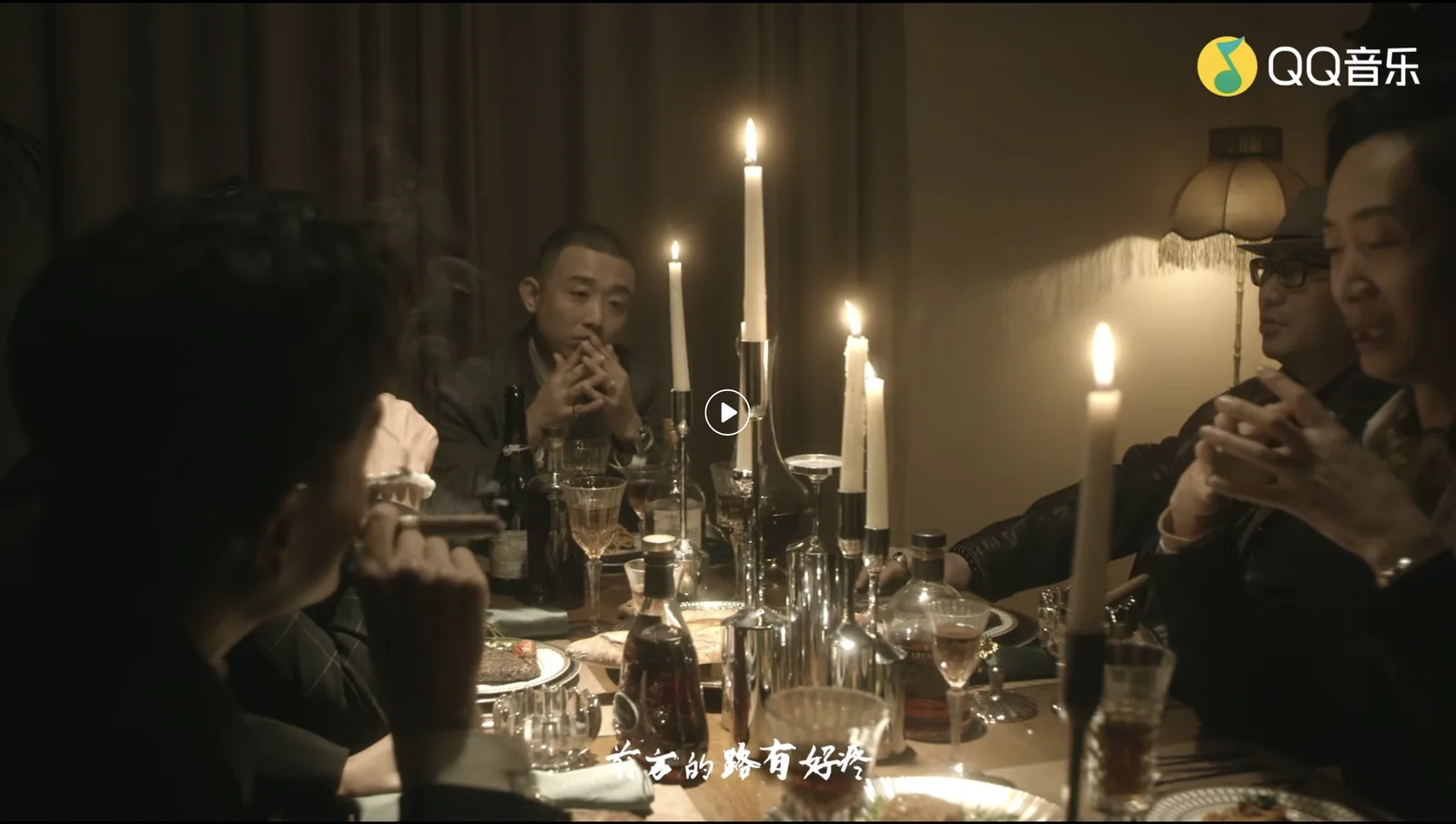
FIG. 2 / “WEIYUAN GUSHI”
Status
Clothing, posture and table settings make social position legible.
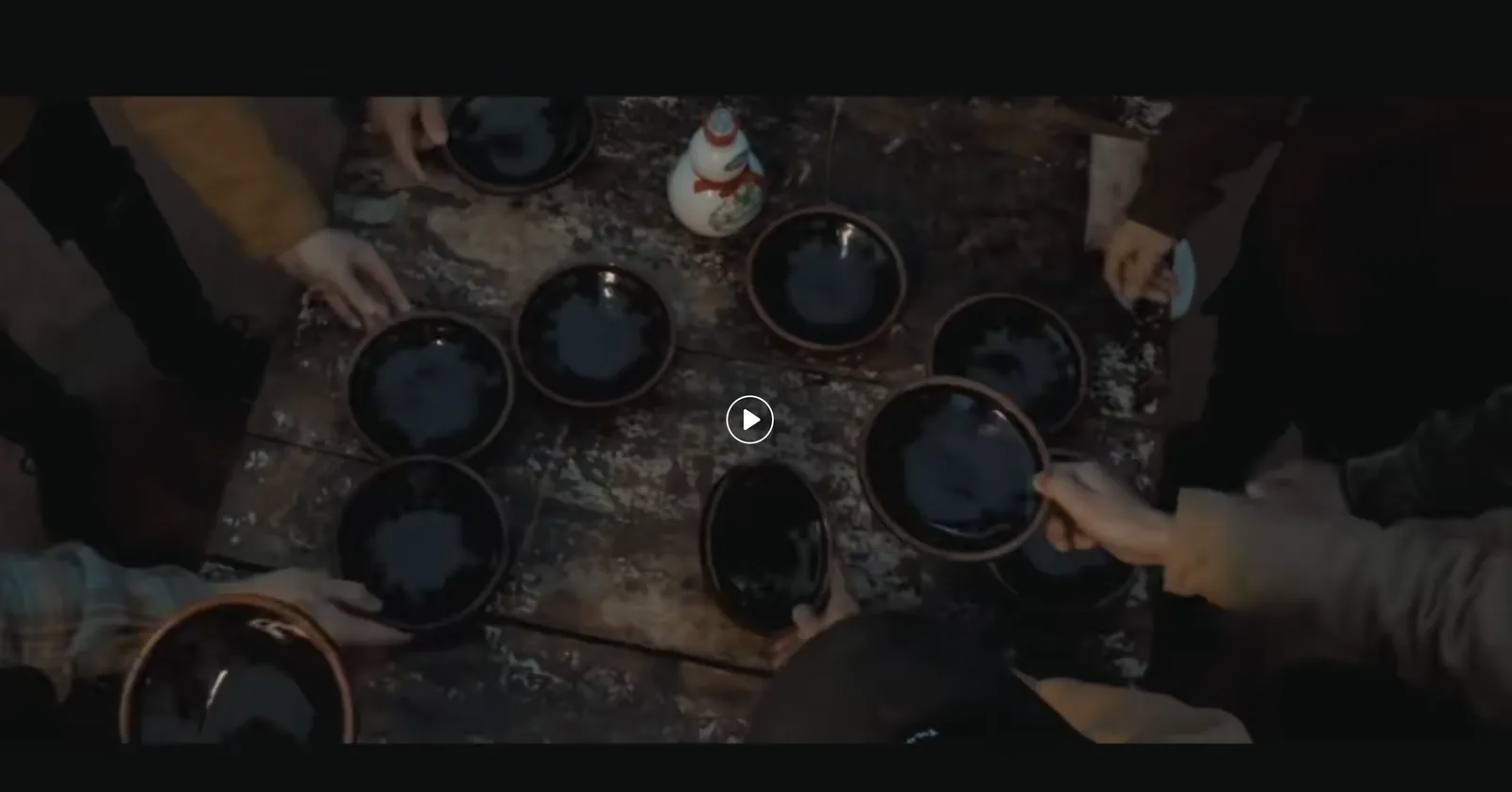
FIG. 3 / “JIANGHU LIU”
Brotherhood
Shared bowls and converging gestures turn solidarity into a collective action.
05 / AUDIENCE & AUTHENTICITY
Who decides what feels real?
The same regional style can attract admiration and criticism. Selected online responses show authenticity being debated, rather than settled.
Recognition
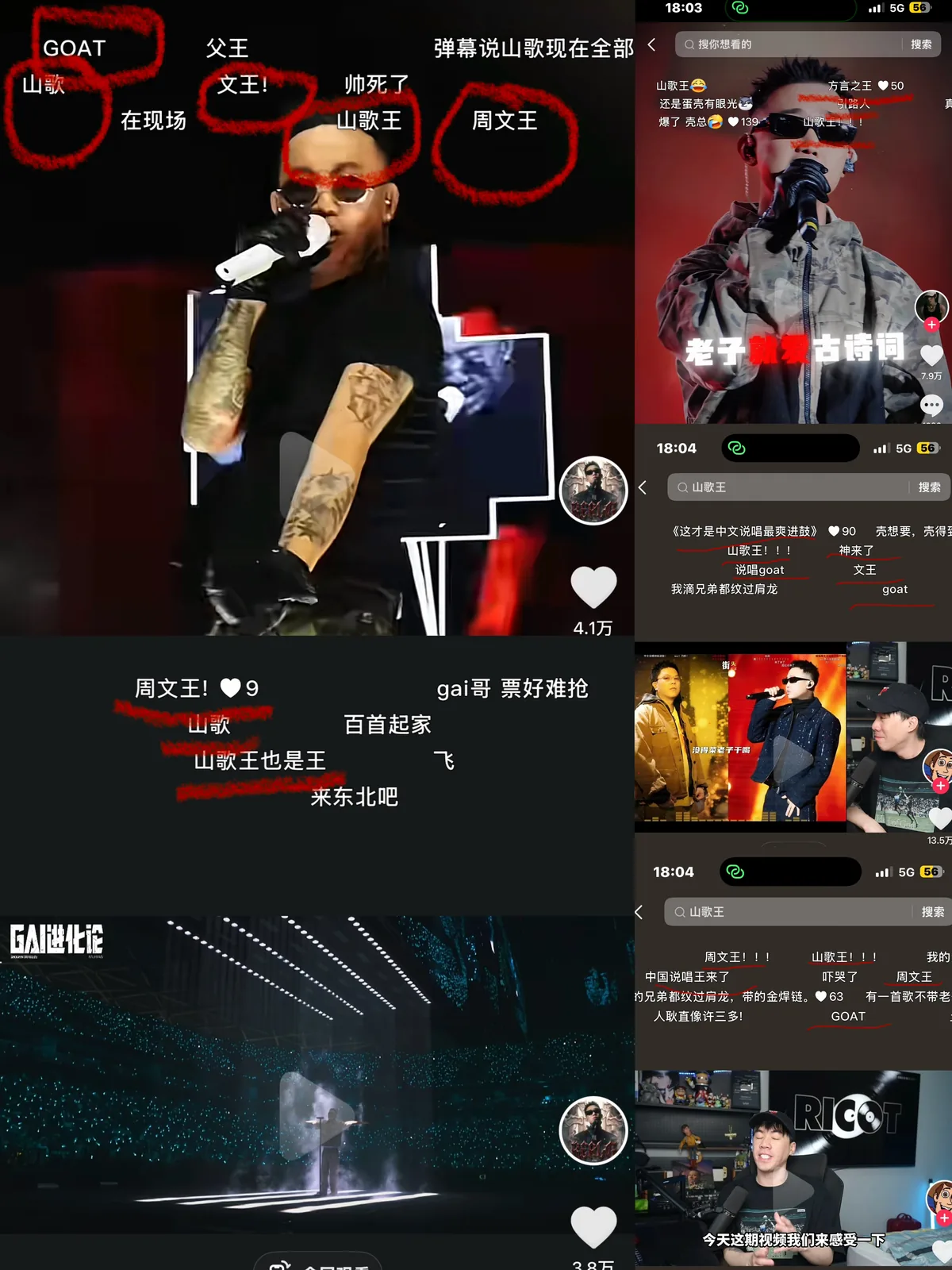
FIG. 6 / Celebrating regional style and dialect identity
Critique
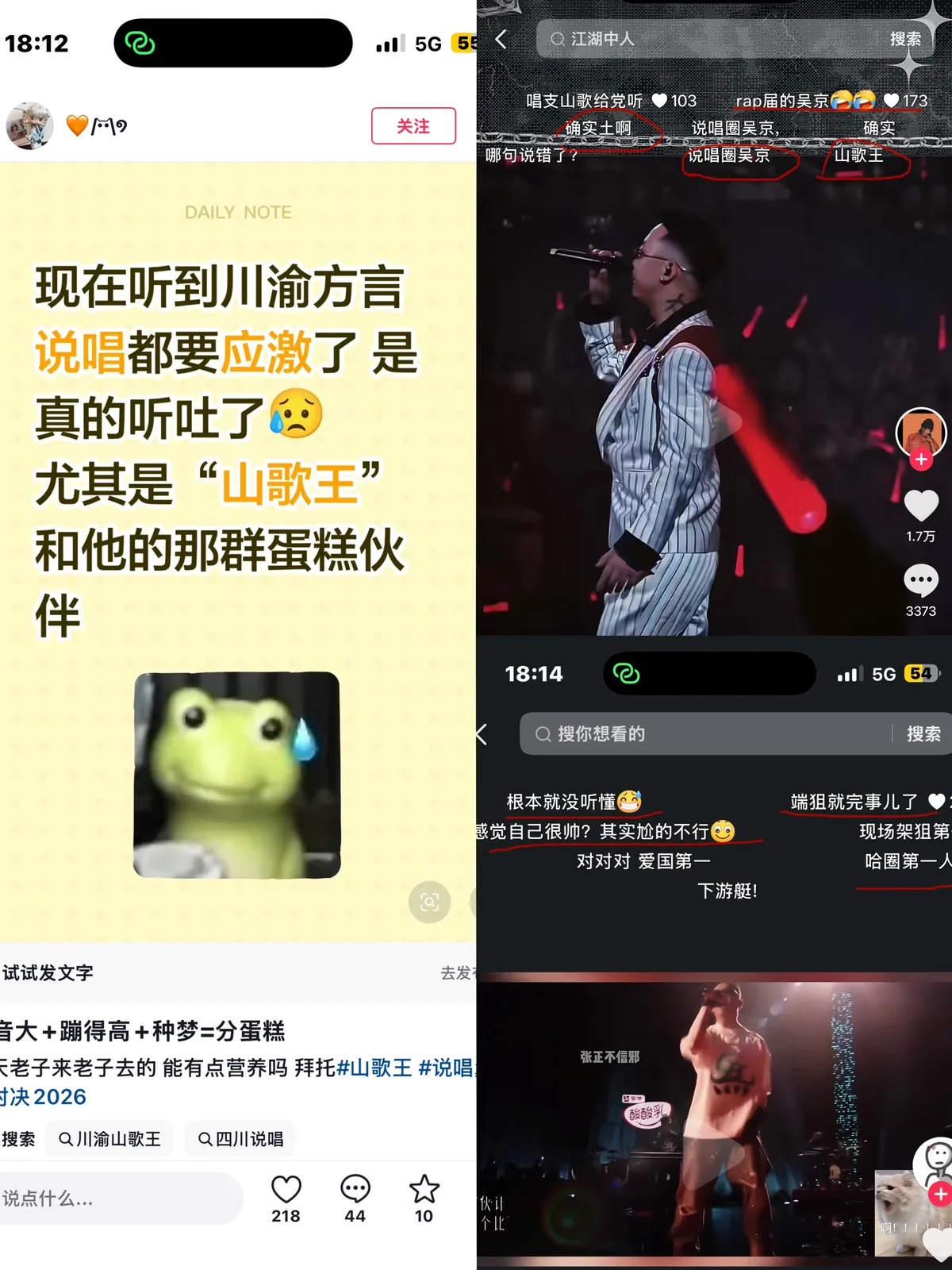
FIG. 5 / Questioning repetition and regional style
Exploratory readings of selected responses; not a representative audience survey.
06 / METHODS & REFLECTION
Following the evidence.
THE MATERIAL
Three musical works
Three retained video stills
Three audience-response collages
Close reading · Visual interpretation · Reception analysis
Supplementary comparison: 2Pac’s “Run Tha Streetz”
THE CENTRAL INSIGHT
Local belonging can become a way of participating in global hip-hop.
Localization reshapes the cultural grounds of “realness” while retaining the genre’s transnational connections.
Shang Ma RAP CULTURE / FEATURED RESEARCH